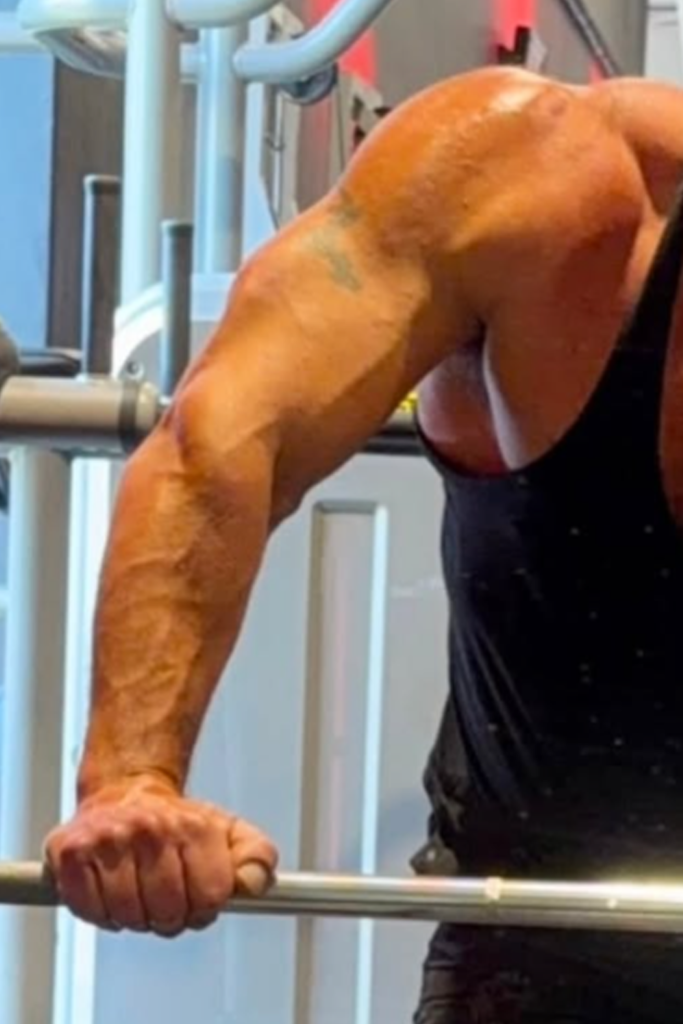
Triceps tendon discomfort and lateral elbow strain are common complaints among lifters who have spent decades under the bar. When heavy pressing meets accumulated connective tissue wear, the elbow joint often bears the brunt of mechanical stress. Fortunately, staying strong does not require giving up your favorite chest and triceps movements; it requires intelligent adjustments to your mechanics.
Neutral Grips and Joint Alignment Straight barbell pressing locks your hands, wrists, and elbows into a rigid pathway. If your mobility is slightly compromised, that rotational force transfers straight into the triceps tendon. Switching to neutral-grip dumbbell presses or utilizing a football/multi-grip bar allows your forearms to rotate naturally. This subtle angle change immediately reduces shearing forces across the joint capsule.
Prioritizing Controlled Eccentrics Fast, uncontrolled descents force tendons to act as sudden shock absorbers. For lifters over 40, slowing down the negative portion of your rep to a strict 2-to-3-second count ensures that mechanical tension remains on the target muscle fibers rather than the tendon insertion points.
Warm Up the Surrounding Tissue Before loading heavy pressing exercises, spend five minutes driving blood into the joint. High-rep cable pressdowns with a resistance band or light cable stack (25–30 reps) lubricate the joint and prime the surrounding connective tissue for heavier loads.
Longevity in the gym comes down to protecting the hinge points that make heavy loading possible. Train with precision, control your tempo, and keep your elbows functioning flawlessly for years to come.