When free barbell squats begin to take an unnecessary toll on your spine and hips, machines become the smart lifter’s sanctuary. The 45-degree leg press and the hack squat are the two undisputed titans of lower-body machine training. While both allow for intense quadriceps loading without spinal compression, understanding their mechanical differences is crucial for targeting specific areas of the leg.
Hip Angle and Rectus Femoris Activation The primary difference lies in the hip angle:
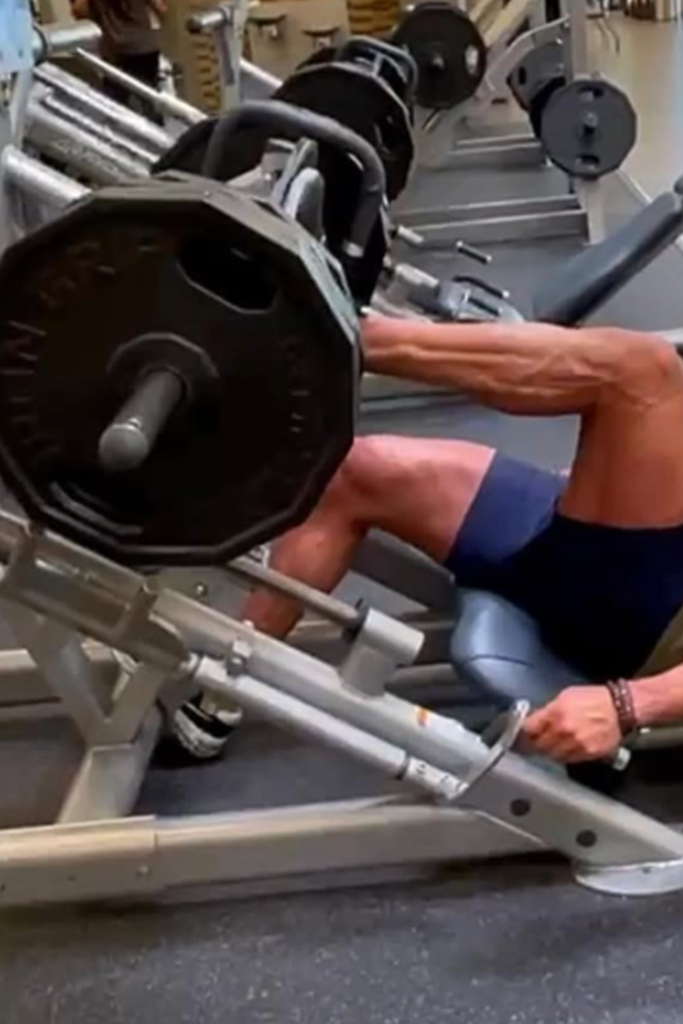
- The 45-Degree Leg Press: Your torso remains folded at roughly a 90-degree angle relative to your thighs. This deep hip flexion places the rectus femoris (the middle quad muscle) in a shortened position, shifting the majority of mechanical tension onto the vastus lateralis (outer sweep) and vastus medialis (tear drop).
- The Hack Squat: The carriage supports your spine in an extended, upright posture. This open hip angle allows for greater knee travel and deeper recruitment of the rectus femoris across its full length, mimicking a pure front squat without balancing issues.
Lower Back Safety Concerns
- On the Leg Press, the most common mistake is allowing the pelvis to tuck and lift off the seat at the bottom (butt wink), which places extreme lumbar shear under heavy load.
- On the Hack Squat, your entire back remains firmly pressed against the carriage pad, making lumbar rounding virtually impossible when proper foot placement is maintained.
The Verdict Use the Leg Press when you want heavy mechanical loading with zero spinal disc pressure and high focus on the outer sweep. Choose the Hack Squat when your priority is maximum quadriceps elongation and knee flexion. Alternating these machines across training cycles builds thick, complete leg mass with total safety.