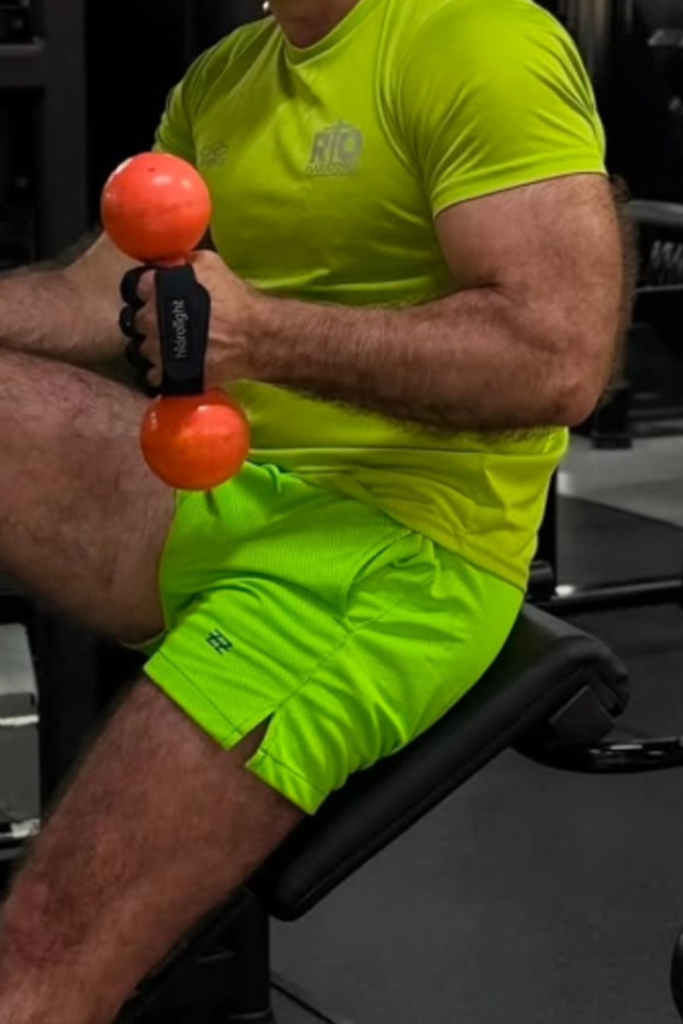
If you have been lifting consistently into your 40s, 50s, or 60s, you have likely noticed a frustrating mismatch: your muscles feel ready to train heavy again within 48 hours, while your elbows, shoulders, and knees still ache from your last session.
This is not a sign of weakness—it is basic human physiology.
The Blood Supply Gap
Skeletal muscle is dense with blood vessels. Every time you train, nutrient-rich blood floods the muscle belly, clearing metabolic waste and delivering amino acids to repair micro-tears rapidly.
Tendons and ligaments, however, are largely avascular—meaning they receive a fraction of the blood flow that muscle tissue enjoys. While muscle protein synthesis peaks and resolves within 24 to 72 hours, collagen synthesis in tendons takes significantly longer to remodel and strengthen after mechanical stress.
How to Bridge the Recovery Gap
- Rotate Heavy and Moderate Weeks: Avoid maxing out on the same compound lift two weeks in a row. Alternate heavy low-rep weeks with controlled moderate-weight weeks.
- Use Isometric Holds: Holding a moderate load in the mid-range of a movement for 20 to 30 seconds stimulates tendon stiffness and analgesia without causing further tissue breakdown.
- Prioritize Vitamin C and Collagen/Gelatin: Consuming 15g of hydrolyzed collagen or gelatin paired with 50mg of Vitamin C roughly 45 minutes before training has been shown to support collagen synthesis in connective tissue.
- Respect Warning Pains: Muscle soreness feels dull and symmetrical; tendon irritation feels sharp and localized near the joint line. Never push through sharp joint pain.
Train smart enough today so you can still lift heavy ten years from now.